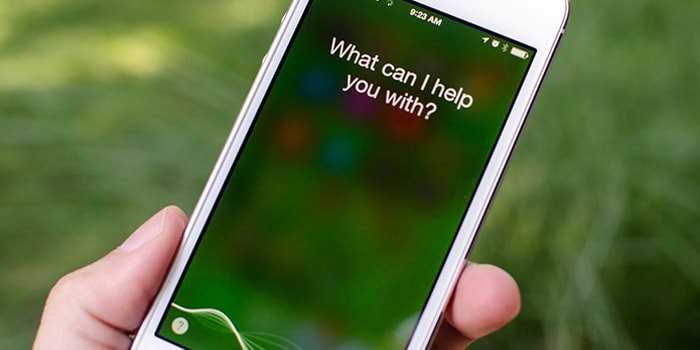
The dream of being able to talk directly to a computer is even older than the creation of the first personal computer (IBM PC, 1981). The first time a computer was able to execute a command given by a human being directly from its own voice was in 1961. This early assistant could recognize up to sixteen different words and the numbers 0 to 9. But the development of voice assistants as we understand them today was still a long way off.
Google has Google Assistant, Microsoft has Cortana, Apple has Siri, but many other companies have already bet on their own technology, such as Amazon with Alexa or Samsung with Bixby. They all have something in common: the user is able to give commands to any device that has this software through the exclusive use of voice. And they seem to understand us.
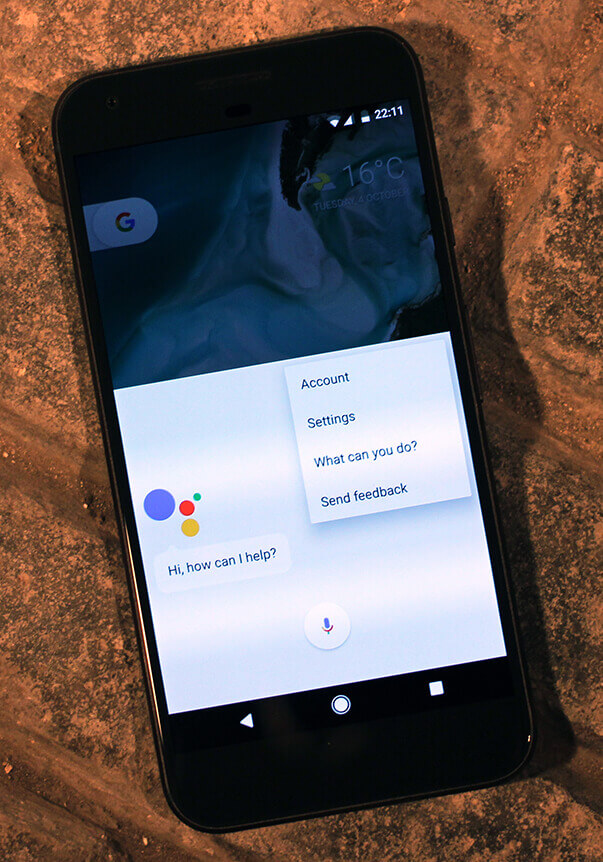
A voice assistant is not simply a program that can recognize spoken commands, but must be able to perform specific actions, understand the context of the sentence and adapt its actions to the user’s context. A voice recognition software that simply transcribes sound to text (as we can find for years in Android phones, for example) is not a voice assistant, but a means of writing on the screen that eliminates the need to use fingers, but does not provide us with any extra help. The assistant, whether Alexa, Siri or Cortana, is integrated with the entire device and is capable of monitoring the status of applications, of executing actions on its own (open or close a program, turn off a light, activate the sound of a loudspeaker…).
The key to modern voice assistants is that it is not limited to a series of pre-programmed responses like the popular chat bots, but is integrated into the operating system itself and, in addition, has the greatest advantage of all, it is permanently connected to the Internet.
How do voice assistants affect consumer purchase intent?
Users will always need to buy. What changes from one decade to the next is the way they do it, and that is why companies have been adapting to this new paradigm. Speech recognition changes, for example, the way users search for product information. Instead of using words or short expressions such as ‘t-shirt’ and ‘red’, when doing a voice search we are likely to use better-constructed phrases such as: ‘I want a red t-shirt’. In this example, the search engine must interpret a longer and more complex phrase that is basically asking for the same thing as the first two words, but by entering more information, it requires a greater effort of adaptation to find the best result. It is more complex but, on the other hand, it could bring more refined results than with the previous method.
In this particular case, this small variation in the search for this product implies a change in the advertiser’s SEO, since it has to start taking into account that the user expresses himself differently when speaking than when writing and its contents, therefore, must also be adapted.
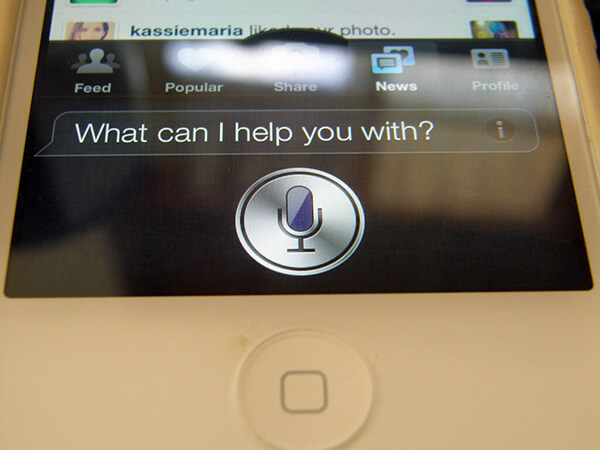
Voice assistants capture and store information in the same way that normal search engines do. This means that they can learn from our habits to improve results and offer customized solutions for each user. At any given moment, whoever uses an assistant expects it to know what they need before they ask for it, meaning that expectations are created about the ability of these voice assistants to recommend things we don’t know about but may want. The opportunities generated by this new technology for advertisers are enormous. Given that all assistants implement learning algorithms, the answers that a particular assistant will offer us will be subtly different from those given by that same assistant to other users, since it will be based on our history, the way we ask questions, our tastes and even the people we know and the place where we are at that moment.
Which devices will incorporate voice assistants?
Any device that runs on electricity today, whether it has a battery or not, could incorporate a voice assistant. We may not see the utility of having one in a toaster or juice squeezer (yet) but such technology will certainly come and make our lives easier. The advent of voice in car navigators was an improvement in functionality and safety.
The application of this technology is not always as obvious as in the case of the browser, but it will undoubtedly end up reaching many devices. An oven that tells us what stage the food is at and modifies parameters without the need to touch the controls. A refrigerator where you can tell it what you want to buy and the food arrives by courier a few hours later. A home assistant that we can ask for information about the temperature of the rooms, which lights are on or ask it to open the garage door. Turn on the speakers, put a movie on the TV, find the keys, turn on the air conditioning, park the car… When the technology exists, it is only a matter of time before it becomes part of our daily lives.
The trend is to have the maximum number of devices connected to the Internet, and this will necessarily change people’s consumption habits, the way they search for information, the way they shop and, of course, the way advertisers reach these consumers.